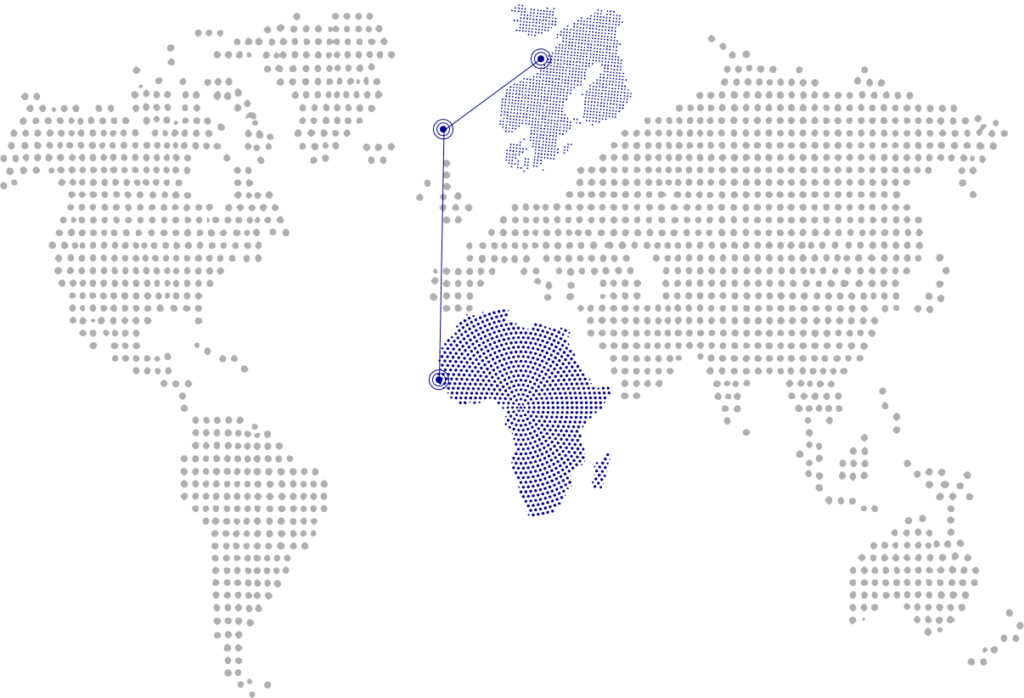




NBP strengthens collaboration between the Nordic region and Sub‑Saharan Africa by aligning institutions, reducing friction, and building the structures that make cross‑border partnerships succeed in practice.
We operate at the intersection of:
🔥 Energy systems
🎓Education and workforce development
📈 Trade and investment
🏛️ Institutional capacity building
💡 Innovation ecosystems
Our role is to make collaboration practical, culturally intelligent, and strategically aligned.
The Nordic region and Sub‑Saharan Africa share complementary strengths:
Together, these strengths create a powerful foundation for sustainable growth, innovation, and long‑term partnerships.
NBP is the bridge that makes this collaboration work.
We connect governments, institutions, universities, and private sector leaders across both regions to build long‑term, mutually beneficial partnerships.
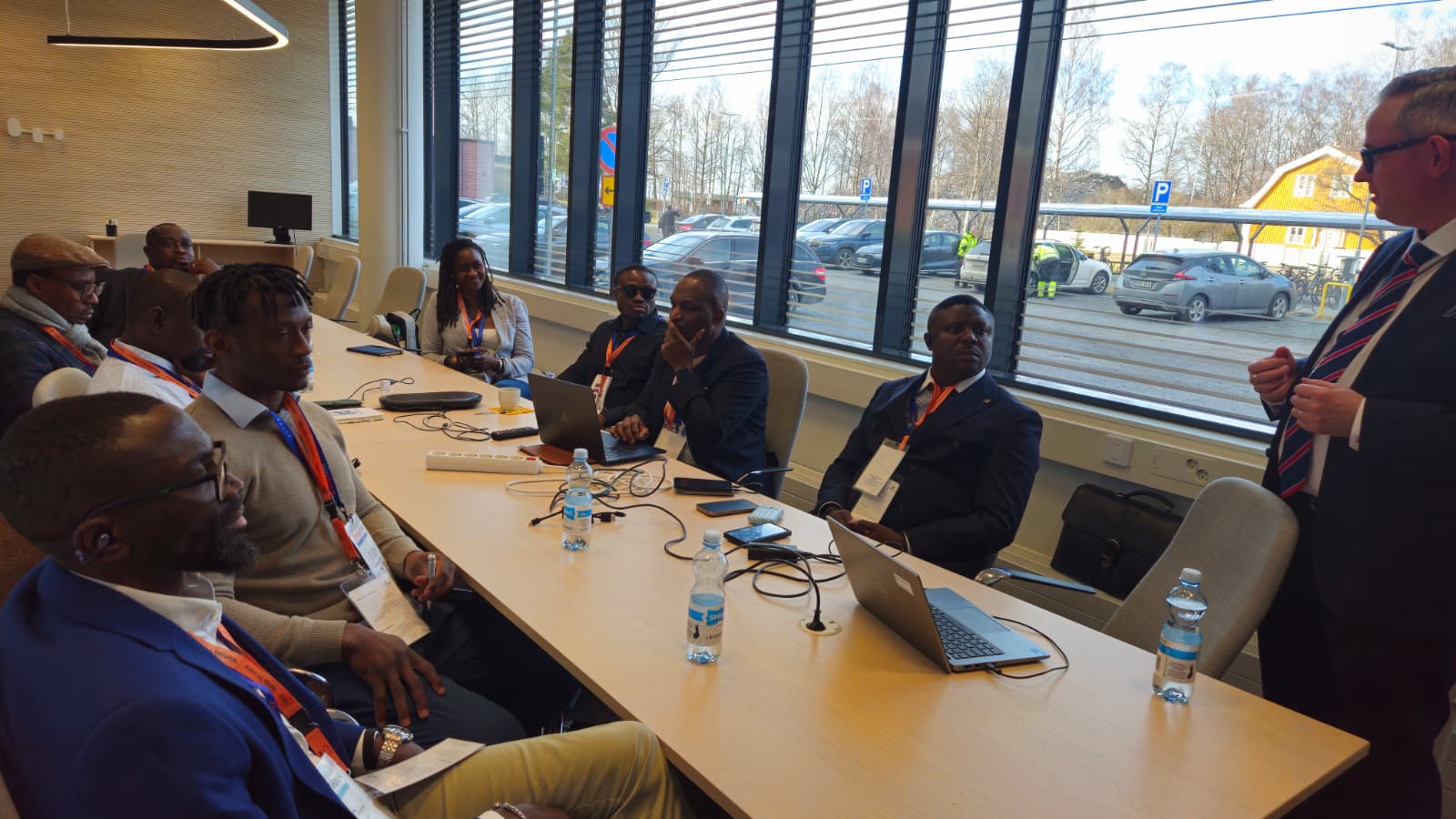
We design and manage high‑level delegations that create real collaboration opportunities — not just ceremonial visits.
We support TVET, curriculum development, and institutional strengthening to build skills aligned with modern energy and industrial systems.
We facilitate collaboration between Nordic energy clusters and African institutions to accelerate clean energy adoption, innovation, and workforce readiness.
We help Nordic and African businesses navigate new markets through culturally intelligent facilitation and strategic advisory.

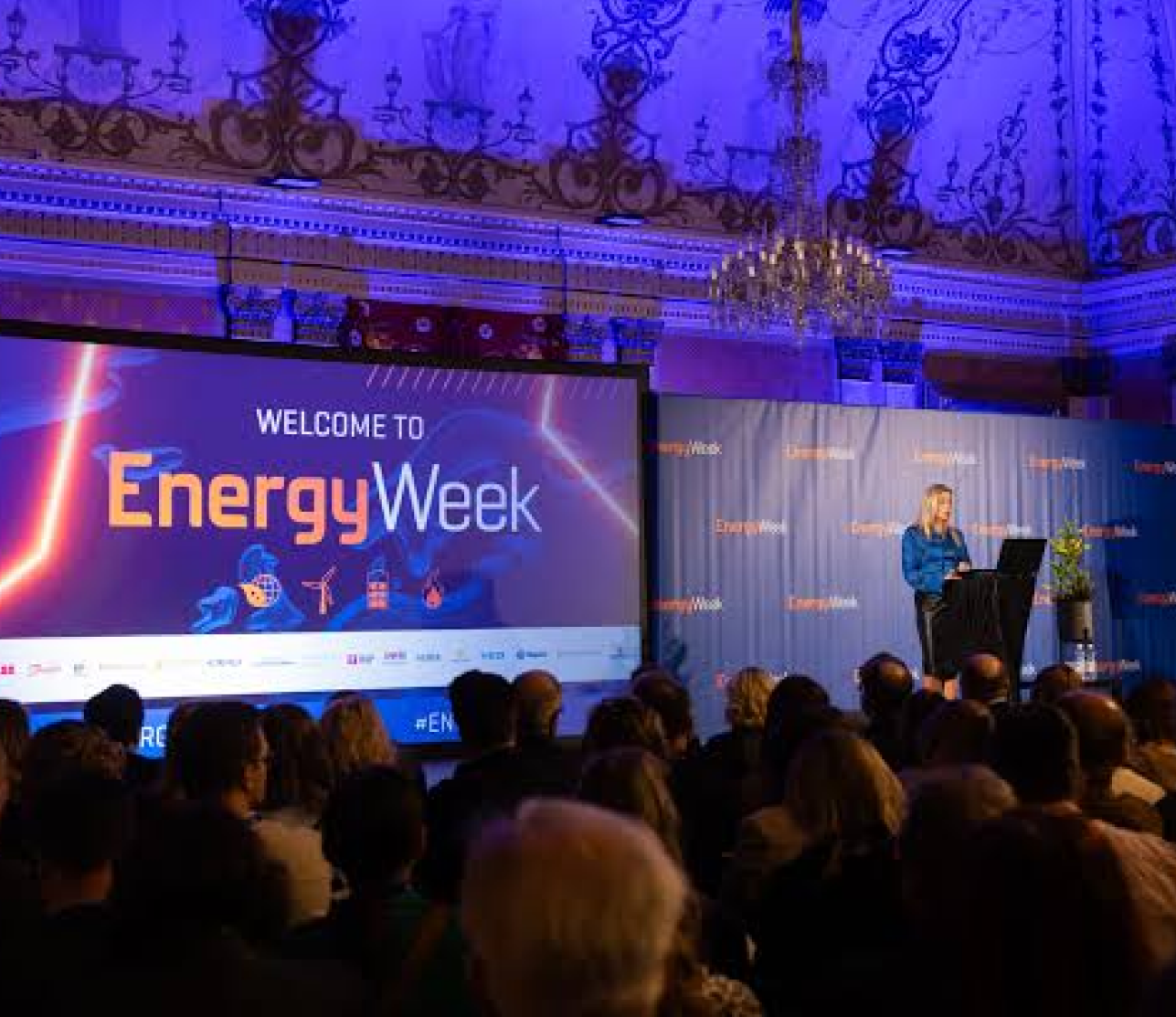
NBP organized and led African participation in one of the Nordic region’s most important energy events — strengthening collaboration in clean energy, innovation, and sustainable industrial development.
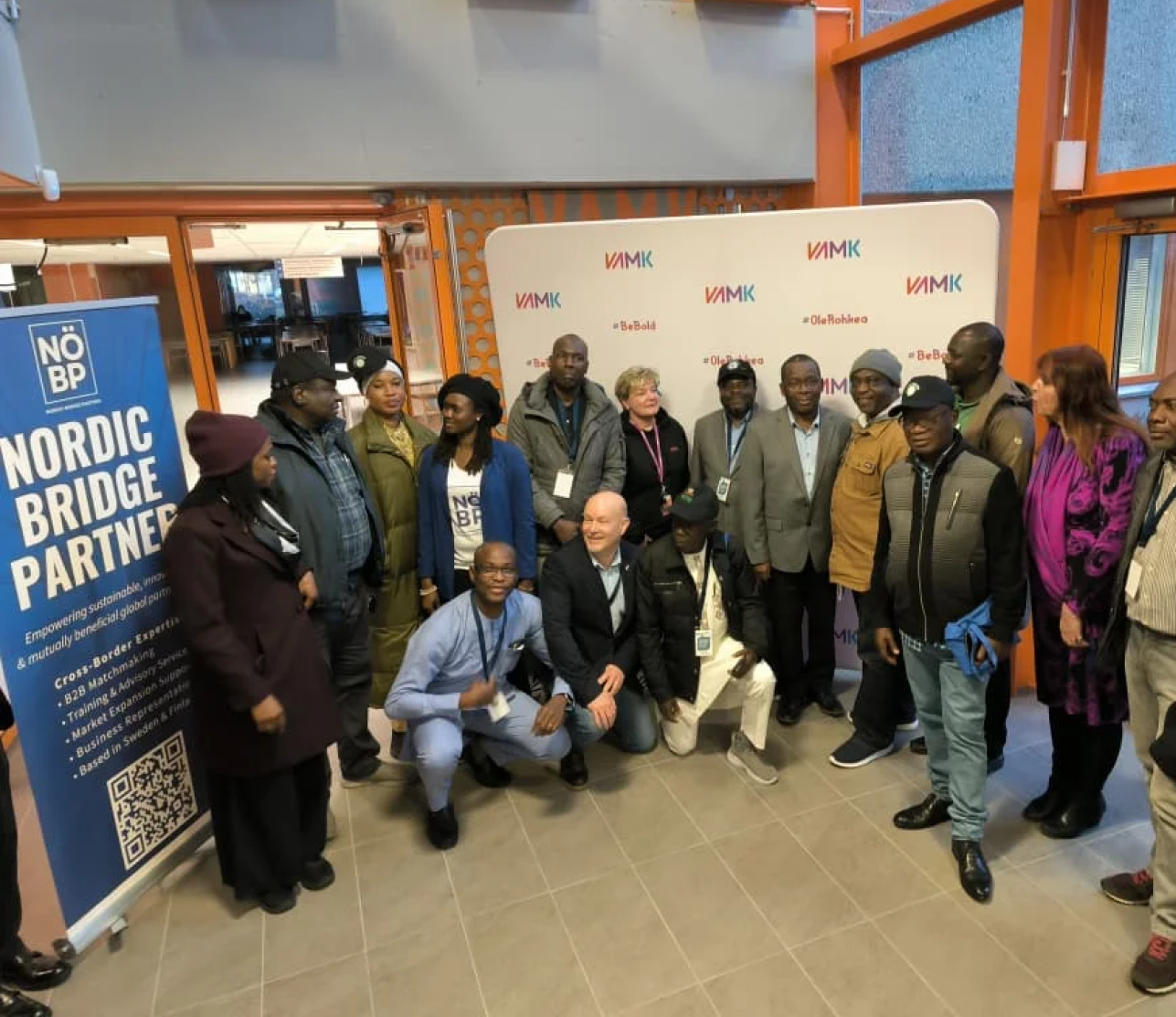
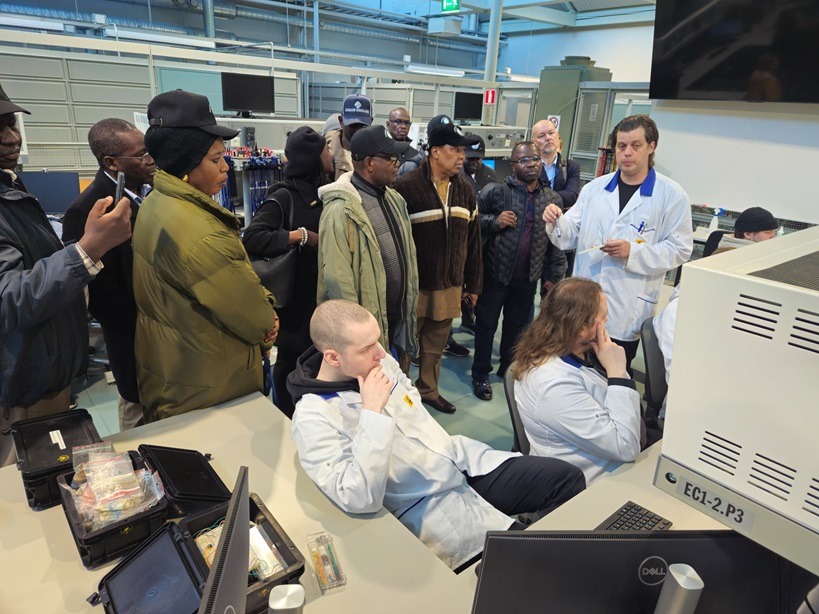
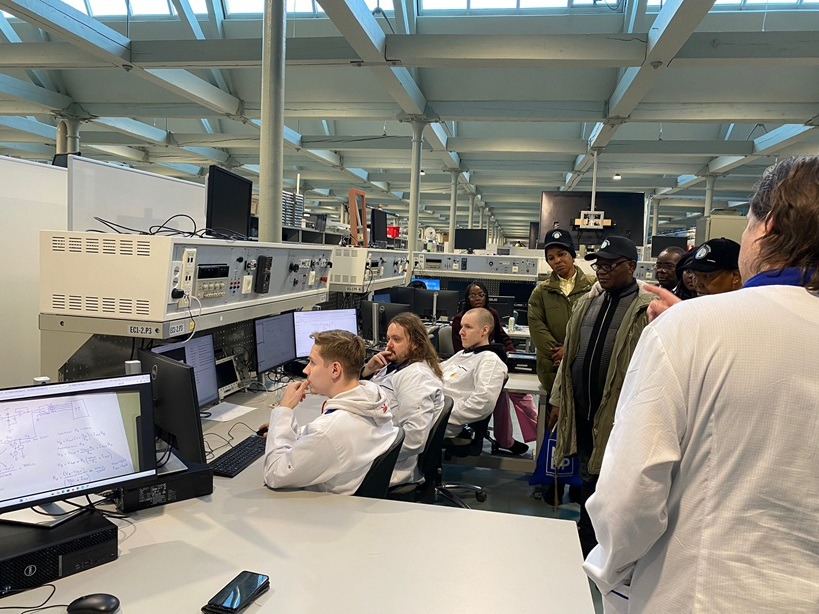
NBP facilitated a high‑level institutional reform visit for Nigeria’s National Power Training Institute, connecting them with Finnish universities, energy companies, and innovation hubs.
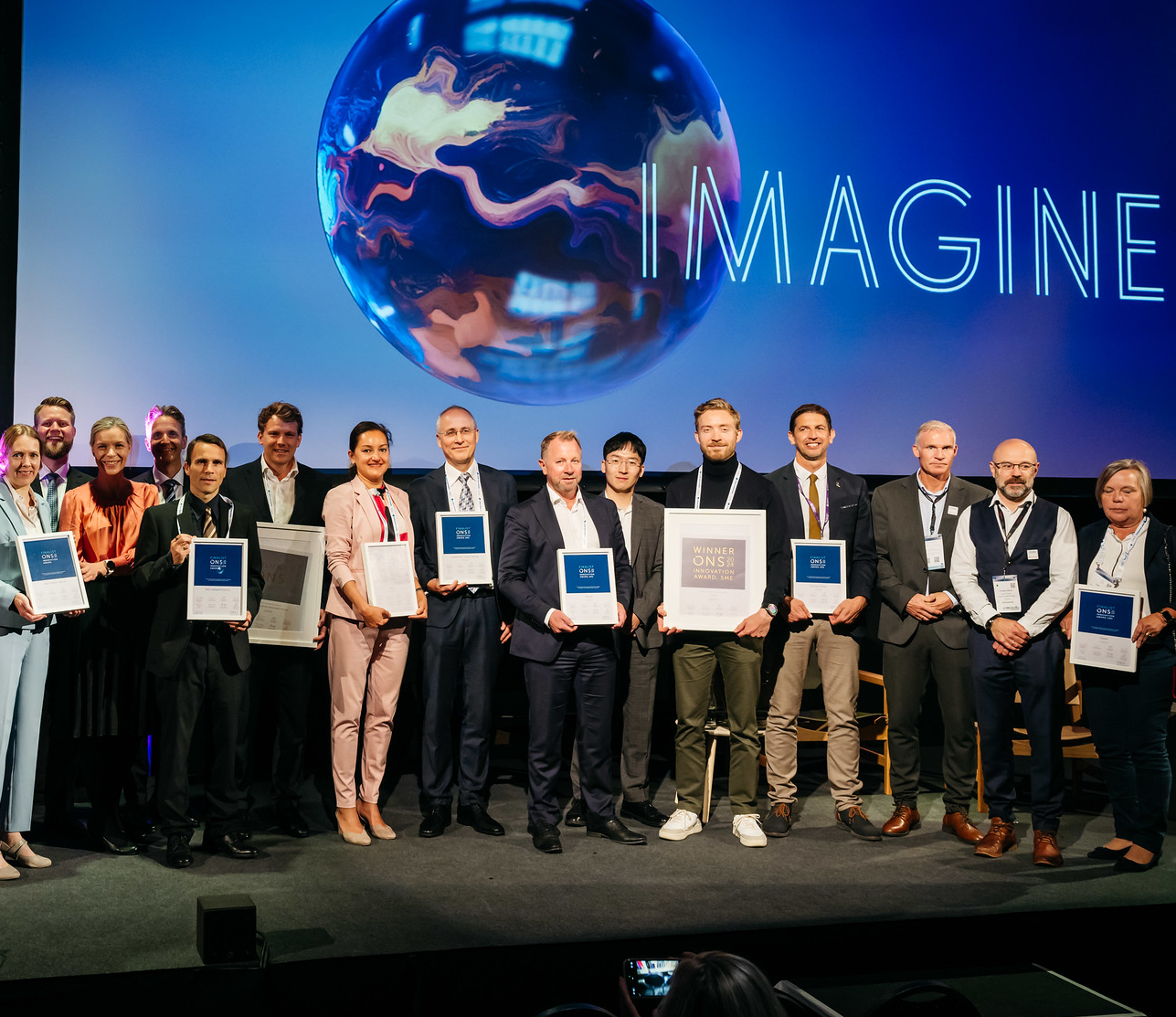
NBP is the Official African Side‑Event Host, shaping Africa’s presence on the global energy stage and strengthening Nordic–Africa collaboration in energy transition, technology, and investment.
Understanding context, communication, and culture to build stronger partnerships.
Collaboration as equals — not donors and recipients.
Ensuring governance, processes, and expectations match across both regions.
Building partnerships that last beyond events, projects, or funding cycles