The National Power Training Institute of Nigeria (NAPTIN) has returned from a week of technical engagements in Finland with a clearer direction for upgrading its vocational energy programmes and expanding industry-focused learning across its centres. The study tour, held from November 3 to 8, was facilitated by Nordic Bridge Partner with support from the European Union through the Transforming Vocational Training in the Nigerian Power Sector project.
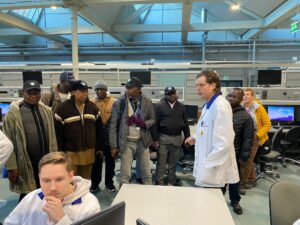
The programme took the delegation across the Helsinki and Vaasa regions, where they examined Finland’s approach to vocational education, practical energy training and clean-technology development. The theme, Finnish Excellence in Vocational Energy Training and Innovation, guided a structured review of how Finland prepares technicians for grid operations, low-voltage systems, renewable-energy deployment and emerging technologies.
For NAPTIN, the experience is expected to inform curriculum upgrades, strengthen institutional cooperation and reinforce efforts to build a modern technical workforce for Nigeria’s power sector.
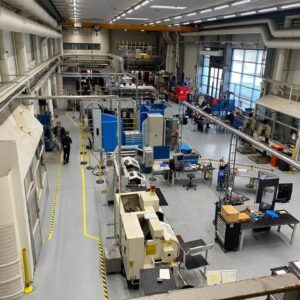
The tour opened at Omnia Education Partners in Espoo, where the team observed practical sessions in welding, low-voltage installation and electrical safety. Faculty members outlined how Finnish institutions combine classroom learning with hands-on workshops and simulation environments. Discussions covered curriculum reform, industry involvement and opportunities for staff exchange.
Read Also:
-
Nigeria’s Power Training Institute Explores Finnish Expertise in Energy Education
-
Nordic Bridge Partner Seals Contract with NAPTIN for Executive Power Study Tour in Finland
-
Nordic Bridge Partner AB Welcomes Petri Saarinen as Strategic Advisor
At Finnpartnership, the delegation received briefings on funding channels that support skills development and cross-border institutional projects. Particular attention was given to the EU’s Opportunity-Driven Skills and Vocational Education and Training in Africa initiative, which offers pathways for technical support and programme development.
A meeting at Bird & Bird provided an overview of Finland’s regulatory framework for electricity markets and renewable-energy investment. The group also visited Teraloop to examine flywheel-based storage systems designed for future off-grid and hybrid-power applications.
The second phase of the tour took place in Vaasa, Finland’s leading energy cluster. At the Vaasa University of Applied Sciences, the team reviewed models for work-based training, joint research and industry collaboration. Discussions explored competence requirements for modern power-system operations and areas for structured cooperation between VAMK and NAPTIN.
A wider tour of Vaasa’s energy ecosystem followed, including Merinova Technology Centre and Danfoss. These visits demonstrated how companies, researchers and vocational schools work together on energy-efficiency solutions, robotics, automation and renewable-energy integration. Vaasa’s strong investment in research provided a reference point for how coordinated ecosystems support innovation.
The final sessions were held at Aalto University, where the delegation studied Finland’s use of academic rigour, design thinking and project-based engineering. Professors presented ongoing work in energy systems, student innovation and commercialisation pathways. The group also visited the Aalto Design Factory, which brings students, industry partners and public agencies together on product-development projects.
The programme concluded with demonstrations from InfraKit and TerraSolid, two Finnish companies offering digital tools for planning, mapping and operations in infrastructure and energy systems. Their presentations showed how data-driven processes can improve project delivery and strengthen grid-management standards.
Nordic Bridge Partner described the tour as a meaningful step in its partnership with NAPTIN. Co-CEO Francis Otuoba noted that the engagement created a shared platform for long-term capacity building, while Senior Management Advisor Petri Saarinen highlighted the practical methods that can be adapted within Nigeria’s vocational training framework.
With the tour completed, NAPTIN plans to deepen cooperation with Finnish institutions, expand hands-on learning and adopt innovations suited to Nigeria’s energy transition. The institute views the experience as a foundation for building a stronger technical workforce and improving the reliability and development of the country’s power sector.